Decoding Your Home Inspection Report: A Guide for Homebuyers

Understanding Your Home Inspection Findings: What to Look For

Once the home inspection is complete, the next critical step for any homebuyer is to carefully read and understand the inspection report. This document serves as a vital tool in the home buying process, providing insights into the property’s condition and highlighting any potential issues that could affect your decision. To effectively navigate this report, it’s essential to familiarize yourself with its structure and terminology. Typically, an inspection report will cover various aspects of the home, including the roof, foundation, plumbing, electrical systems, and appliances. Each section may contain descriptions of the current state of these components, along with accompanying photographs for clarity. Read more here about home inspections and how they save your money in the long run.

As you delve into the report, pay close attention to the areas marked as “deficiencies” or “concerns.” These are the issues that require immediate attention or further evaluation. The inspector may categorize these findings into different levels of severity, such as minor, moderate, or major concerns.

Read More

Understanding this grading system is crucial, as it helps prioritize which repairs need to be addressed first. While minor issues can often be resolved with routine maintenance, major concerns may necessitate significant repairs or replacements, potentially impacting your budget and timeline.

Additionally, take note of any recommendations provided by the inspector. These suggestions can include further evaluations by specialists, such as roofers or electricians, for issues that require expert attention. It’s also beneficial to ask the inspector questions during or after the inspection to clarify any points that are unclear. Ultimately, the goal is to equip yourself with a comprehensive understanding of the home’s condition, empowering you to make informed decisions about your purchase. Whether you’re ready to negotiate repairs with the seller or adjust your offer based on the findings, a thorough reading of the inspection report is an indispensable step in the home buying journey.
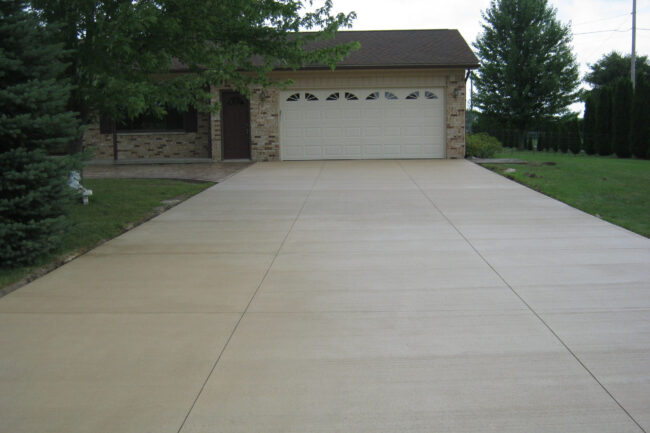
Unveiling the Enduring Strength and Value of Concrete Driveways

Can Concrete Driveways Increase Property Value?

Concrete driveways stand as a testament to durability, offering homeowners across various climates a reliable and long-lasting solution for their rockfordhomes. The inherent strength of concrete makes it particularly well-suited to withstand the diverse challenges posed by different climates, ranging from scorching heat to freezing temperatures and everything in between so read more here.

In regions prone to extreme heat, such as desert climates, concrete driveways excel in maintaining their structural integrity. Unlike alternative materials like asphalt, concrete does not soften or deform under high temperatures, ensuring that driveways remain solid and stable even during the hottest summer months. Additionally, the light color of concrete reflects heat rather than absorbing it, mitigating the risk of surface damage and prolonging the driveway’s lifespan.

Read More

Conversely, in colder climates subject to freezing temperatures and frost heave, concrete driveways exhibit exceptional resilience. The durability of concrete minimizes the likelihood of cracking or crumbling due to the expansion and contraction caused by fluctuating temperatures. Proper installation techniques, including the use of reinforcement materials and adequate joint spacing, further enhance the driveway’s ability to withstand freeze-thaw cycles, ensuring that it remains structurally sound year-round.

Beyond its durability, concrete driveways can also have a significant impact on property value. As one of the most prominent features of a home’s exterior, the condition and appearance of the driveway play a crucial role in shaping potential buyers’ first impressions. A well-maintained concrete driveway enhances curb appeal, signaling to prospective buyers that the property has been cared for and maintained.

Moreover, concrete driveways offer undeniable practical benefits that can increase property value. Unlike gravel or dirt driveways, concrete surfaces are smooth and easy to maintain, requiring minimal upkeep and offering superior longevity. This low-maintenance aspect appeals to homebuyers seeking convenience and reliability, thereby enhancing the overall perceived value of the property.

In summary, concrete driveways not only provide unmatched durability in various climates but also contribute to increasing property value. Their ability to withstand the rigors of different weather conditions, coupled with their aesthetic appeal and low-maintenance nature, makes them a wise investment for homeowners looking to enhance both the functionality and value of their outdoor spaces.